
This classic vanilla pudding recipe is leagues better than anything you can get from the grocery store! Family friendly, delicious, and goes with just about anything…what are you waiting for?

THE INGREDIENTS
Cream: That’s right, we have both cream and milk in this recipe. Why, you ask? Well, because the more dairy fat that is in this pudding, the richer it is! Cream has way more dairy fat than even whole milk, making it a key ingredient for a silky, decadent bite. If you don’t have cream on hand, we recommend 1 cup and 2 tablespoons of milk and 6 tablespoons of melted butter. Use any sort of milk you have on hand when making this substitute. If using half and half, do 1 and ⅓ cup of half and half and 3 tablespoons of melted butter. This will lead to a bit of butter flavor in your pudding, but we’d say most would be happy with that.
Milk: Even though cream has a lot of dairy fat for a rich pudding, we don’t want to overdo it. Milk is lighter and helps contribute to being able to enjoy a nice bowl of pudding-not a tablespoon-before you feel you’ve had enough of a serving of rich vanilla goodness. We have never used non-dairy milk in pudding before and cannot comment if it would make an ideal substitute.
Vanilla: At first glance, you might say “Wow, that’s a lot of vanilla!”. Hear us out! It’s also a LOT of milk and cream. To stand up to that dairy flavor, we need to pack a vanilla punch. We honestly don’t recommend decreasing the vanilla in this pudding recipe. If you are using a milk+butter substitute for cream, you may even want to consider an extra teaspoon of vanilla to help stand up against the even stronger flavor of butter. Your kitchen, your rules, though! Decrease this at your own desire and risk. If you have vanilla beans on hand, use 1 whole bean in this recipe. Otherwise, you can also replace 1:1 with vanilla bean paste.
Cornstarch: With all this liquid, you were probably wondering why pudding isn’t just a runny mess! Cornstarch is our thickener in this recipe, giving us the texture we love. We do not recommend increasing the amount of cornstarch in this recipe. Although that would thicken the pudding faster, you’d be at risk of not cooking your eggs all the way through. Eggs need to reach 160 Degrees Fahrenheit to be fully cooked and if there is an increased amount of cornstarch, less heat is needed to thicken the pudding. See the problem? At ¼ c, we’d say you don’t even need a kitchen thermometer because the pudding should be past 160 F by the time it is as thick as you want. We understand completely if you still want to reach for that thermometer though!
Salt: A little bit of salt goes a long way! Usually we like to go a little heavier on the salt for our sweet recipes to balance the flavors. When a dessert has a lot of fat in it, though, that also naturally balances the sweetness. We do not recommend increasing the salt in this recipe unless you are also increasing the amount of sugar.
Sugar: 1 cup of sugar is standard in a lot of recipes-from cookies to cakes and now our vanilla pudding recipe. For pudding recipes across the web, you’ll find wildly different sugar values. The reason we think our ratio is best (which is ¼ cup of sugar per 1 cup of dairy) is because it makes a dessert that many would call “not too sweet”. With the richness of the cream and the presence of eggs, 1 cup of sugar is necessary to balance these flavors and actually make this pudding taste like a dessert! If you want, you can increase the amount of sugar in this recipe. However, keep in mind that it may affect the texture of the pudding if you go significantly higher.
Eggs: With the ever-present risk of the eggs cooking wrong and making the pudding taste like eggs, why even add eggs? Several reasons! Although we already have cornstarch thickening our pudding, the egg yolks actually help contribute to a non-runny pudding as well. Not only that, but eggs add a nice underlying flavor (that doesn’t taste like boiled eggs, we promise!) and makes this pudding simply decadent. Finally, eggs are key for the texture of this pudding to be silky. Imagine black pepper gravy, which is usually just dairy thickened with cornstarch. Does that remind you of pudding? No, it doesn’t. Hopefully that helps you understand what eggs do for our vanilla pudding’s texture!
KEY INFORMATION:
Do You Have to Pour the Hot Liquid in a Bowl First For Pudding? YES, you must! We’ve tried to take a shortcut before and just dump the dry ingredients mixed with egg straight into the pudding. Not only does that lead to a pudding that absolutely needs to run through a sieve, but it cooked the egg so fast that there were chunks of egg throughout the pudding. At that point, it was more of an egg pudding than a vanilla pudding. So, now that we’ve made the mistake for you, learn from us!
When you pour a little bit of the hot liquid at a time into your bowl with dry ingredients, you are doing two things. The first is tempering the egg, which means you are only adding a little heat at a time. By doing so, you can cook the egg while also incorporating it into your dessert as part of a mixture instead of a stand-alone ingredient. For example, think of a baked cake vs a boiled egg. There are eggs in both, after all! The second thing you are doing is properly saturating your dry ingredients. If you add a lot of liquid to dry ingredients, they tend to float around instead of properly incorporating. By adding just a little liquid at a time, you can make a paste that you gradually thin out with each addition of warm dairy. This leads to the smooth pudding you want.
Do You Have to Stir Constantly When Making Pudding? Again, YES, you must! Even if you are adding a little bit of heat at a time, your eggs will still cook incorrectly if you aren’t constantly stirring them. Stirring them keeps them from staying put, so they can’t just cook where they are. In addition to that, the more you stir, the smoother your pudding. So, don’t take “stir constantly” to mean “stir like 80% of the time”.
How to Make Pudding Less Chunky? It happens. You tried your best, but maybe you stirred a little too infrequently or had the heat a touch too high. Your pudding may be good, but it’s chunky. Once this happens, there are some courses of action you can take. The first one takes more time, but it is to press the pudding through a sieve. The second, faster method is to whirl your chunky pudding with an immersion blender. Don’t have one on hand? You can use a blender or food processor for small batches of pudding at a time. Although we haven’t used this method, you could even try to put in some strength by using a whisk.
How to Make Pudding Mix? Is pudding a frequent dessert at your house (at the very least, it should be!)? To save yourself some time, you can combine the dry ingredients first and store them in a container at room temperature. To have a large batch ready combine 6 cups of sugar, 1 ½ cups of cornstarch, and 1 ½ teaspoons of salt. If you want chocolate or any other flavor, feel free to add dry ingredients like cocoa powder, malt powder, or dried ground strawberries!
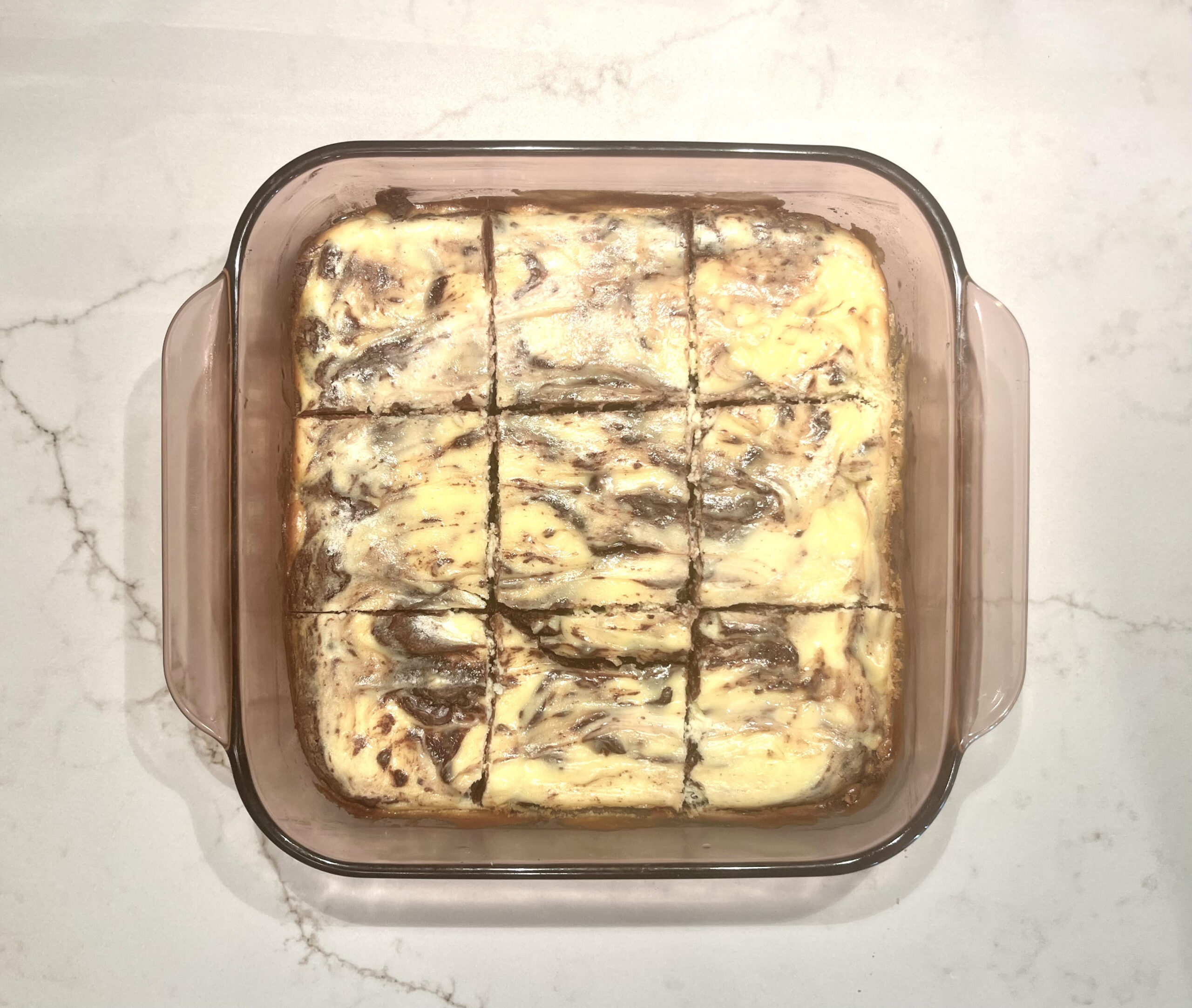
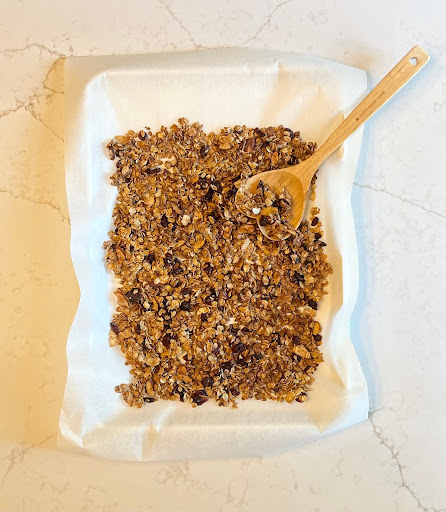
What Goes With Pudding? Although ice cream is the star dessert of the summer, there really could be more room for pudding. You can top your pudding as you would ice cream-with chocolate sauces, peanut butter sauces, or caramel. You can also top it with candy bark, chocolate chips, crumbled up cookies/brownies, or granola for a nice crunch. Fresh berries and jam would also be welcome for a fruity flair. To keep the vanilla focus, you could top this vanilla pudding specifically with vanilla flavored granola or crumbled vanilla sugar cookies. If you want to have more dessert options available for guests, pudding goes wonderfully with cakes, cookies, and brownies.
Why Does My Pudding Taste Like Eggs? We’re sorry, at this point, there is not much you can do except try again. Your pudding would taste like eggs because you didn’t stir enough or you tempered incorrectly. Tempering involves slowly adding the hot liquid. You may have added too much at once or waited too little between each small addition.

Ingredients
Method
- In a medium saucepan, add the cream, milk, and vanilla extract. Heat on medium heat until the mixture is hot, but not boiling.
- In a medium bowl, add the cornstarch, white sugar, salt, and eggs. Mix to combine.
- Once the cream mixture is hot, slowly add half of it to the egg mixture, stirring constantly. This process is called tempering and it is necessary to avoid an eggy or chunky pudding.
- Next, add the contents of the bowl back to the medium saucepan that has the extra cream mixture. Turn the heat to medium and stir constantly until the pudding has reached your desired thickness. Ensure the pudding has also reached at least 160 F / 71.1 C so that the eggs are at a safe temperature.
- If your pudding did get a little chunky (mistakes happen!) run it through a sieve or blend with an immersion blender before continuing.
- Transfer the pudding to a bowl and allow it to chill in the fridge for at least 1 hour before serving.
- Eat plain or top with fruit, chocolate, or any desired sauces. Enjoy!
Leave a Reply